Navigating the Journey of Cancer: Essential Resources and Advocacy for Patients and Survivors
In the face of a cancer diagnosis, the world can feel like it has turned upside down. Suddenly, terms like 'oncology,' 'malignancy,' and 'carcinoma' flood your mind, often overwhelming you with fear and confusion. However, amidst the uncertainty, there is a bright light of hope and empowerment that comes from understanding the resources available to you. Whether you are a patient just starting your journey or a survivor looking for ways to give back, educating yourself about cancer care can transform your experience. What if you could navigate this journey with the preparedness that comes from knowledge?
Empowering patients begins with a solid foundation in cancer education. Understanding your diagnosis is crucial. The type of tumor, the stage of your malignancy, and the available treatments are all essential pieces of information. With oncology specialists constantly advancing in their fields, staying updated on the latest in oncological research can be a game-changer. Why not leverage technology and join webinars or follow leading health blogs to gain insights into treatments like immunotherapy and radiation therapy?
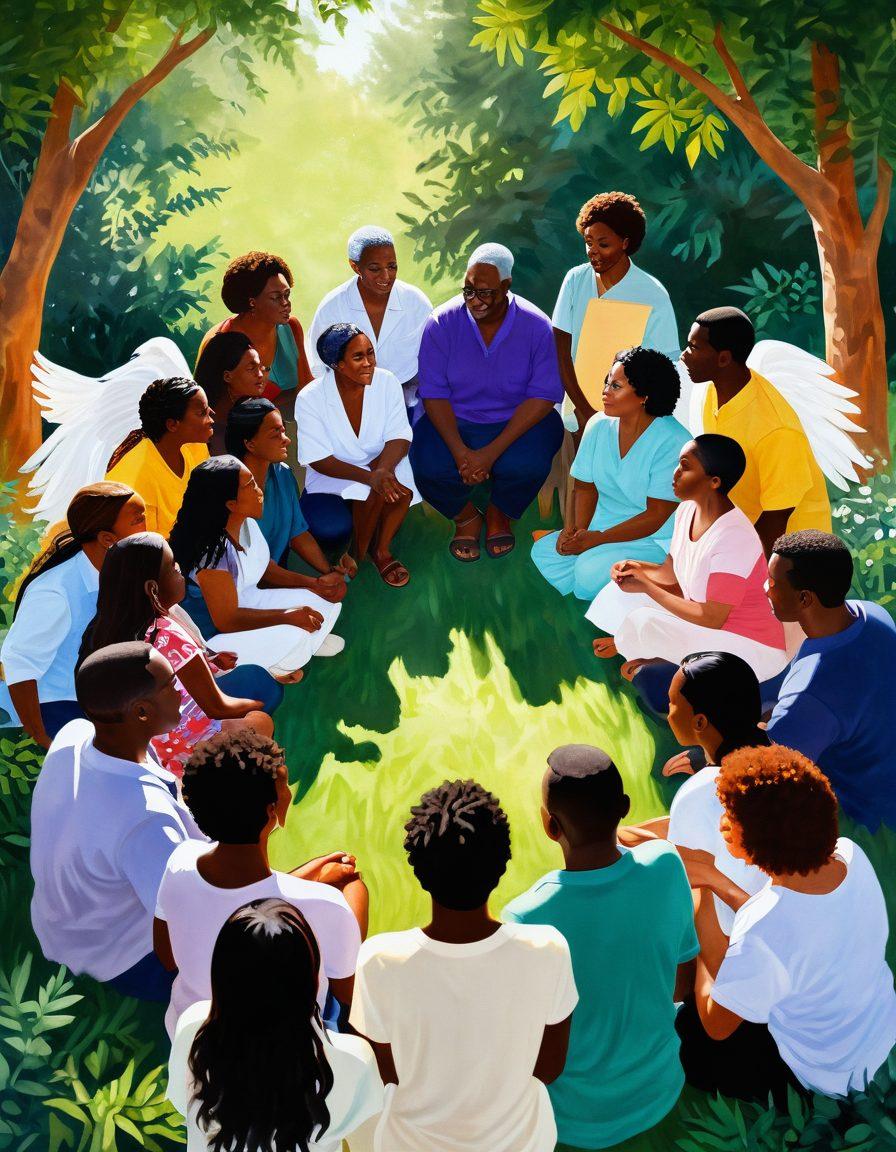
Support groups can be an invaluable part of your cancer care. Imagine a place where everyone understands your fears, doubts, and triumphs without you having to say much. These groups provide not only emotional support but also practical tips on lifestyle changes that can improve your health and well-being during treatment. How many times have you felt isolated? Cancer advocacy has been growing, and there are resources tailored to elevate the voices of patients like you. Remember, you are not alone in this fight!
The importance of preventive care and regular screening is also pivotal in the realm of healthy living. Did you know that cancer statistics show that early detection significantly increases survival rates? By incorporating lifestyle changes and being proactive about your health, you can empower yourself against potential risks. Seek out clinical trials, explore alternative therapies, or partake in health awareness workshops – these avenues not only provide information but also foster a community of knowledge-sharing and support.
Lastly, let's talk about cancer survivorship – a remarkable yet challenging part of the journey. Survivors often face a myriad of emotions and decisions post-treatment. Resources focused on patient support can help you navigate these waters, offering guidance on everything from physical rehabilitation to mental health. So, as you continue to navigate this journey, hold onto the belief that with the right cancer resources and community support, you can not only survive but thrive. What will be your next step toward empowerment?
From Advocacy to Awareness: Building a Strong Support Network for Survivors
Navigating the landscape of cancer can feel like traversing a vast ocean, with waves of uncertainty crashing down at every turn. Yet, for many survivors and patients, the journey does not have to be taken alone. From advocacy to awareness, building a robust support network is a critical component of cancer survivorship. It is essential to connect with others who understand the emotional and physical toll of malignancy, whether you are in treatment for carcinoma, participating in clinical trials, or exploring potential lifestyle changes for healthy living. What if the key to navigating this turbulent sea lies in the community you create around you?
Support groups fill an important role in cancer advocacy, offering a refuge where patients and survivors can share their stories. Picture this: you walk into a room filled with warmth, understanding, and shared experiences. You hear phrases of hope and collective wisdom that only someone who has faced similar challenges can provide. These gatherings provide emotional solace and practical advice, covering valuable topics from radiation therapy and chemotherapy to immunotherapy options and alternative therapies. The stories exchanged can help navigate cancer care in a way that feels less overwhelming and more manageable for everyone involved. Isn't it comforting to know that you are not alone in this fight?
Cancer education is more than just understanding the medical jargon associated with your treatment options. It involves empowering yourself and others with knowledge about the various cancer resources available. For instance, diving into health blogs can provide insight into emerging oncological research, detailing the latest advancements in tumor treatment and preventive care. Engaging with reputable resources not only builds your confidence but also equips you with tools to advocate for your needs during doctor visits. Does your current support network provide you with the education you need to make informed decisions about your health?
Moreover, health awareness initiatives are critical in transforming statistics into action. With cancer statistics showing continual growth in diagnoses, the importance of awareness cannot be overstated. By participating in community events and engaging in conversations about cancer, we can break the stigma and bind together to create a unified front against the disease. As advocates for change, we can lobby for better access to screening and leading-edge cancer treatment options. Are you ready to join forces and make your voice heard in the fight against cancer?
Lastly, building a strong support network requires action. Connect with local organizations, share your experiences with others, and explore various supportive platforms both online and offline. Your experiences might resonate with someone grappling with the same challenges, thus fostering a supportive environment where healing can take root. Remember, every small step towards creating your support network is a step towards strengthening cancer survivorship for yourself and others. How will you leverage your experiences to become a beacon of hope in someone else's life?
Innovative Treatments and Lifestyle Changes: Your Guide to Cancer Survivorship
When we think of cancer, often the first emotions that arise are fear and uncertainty. With the complexity of malignancy encompassing various types of tumors, including carcinoma, the landscape of oncology can feel overwhelming. But what if I told you that navigating the journey of cancer survivorship today holds more hope than ever before? With innovative treatments and lifestyle changes, patients can find not only healing but also empowerment in their fight against cancer. Through cancer care, advocacy, and education, we can illuminate the path toward resilience and recovery. So, let's delve into what makes cancer survivorship a transformative journey.
Imagine a brave warrior gearing up for battle; that's how many cancer patients feel as they embark on their treatment journey. They become part of a robust community that champions their health and well-being. One of the most significant resources available today is cancer advocacy, which connects individuals to vital support groups and educational materials. These networks of support create an ecosystem where patients can share their experiences, discuss preventive care measures, and explore the various treatment options available, from immunotherapy to chemotherapy. As you seek information, remember, you are never alone in this fight!
As research in oncology continues to evolve, the landscape of cancer treatment is expanding. The emergence of cutting-edge clinical trials offers novel therapies that challenge traditional approaches like radiation therapy and chemotherapy. Often patients are left wondering: which treatment is the best for me? Embracing a holistic approach that incorporates alternative therapies alongside conventional treatment can enhance health awareness and empower patients in their choices. Seeking out reputable health blogs dedicated to cancer education can be a great first step in uncovering those options. After all, knowledge is power – especially when it comes to the intricacies of one's health.
Lifestyle changes play a pivotal role in cancer survivorship. From embracing a diet rich in antioxidants to incorporating regular physical activity, patients have the opportunity to take control of their health. Have you ever heard the saying, 'You are what you eat'? There's profound truth in that as nutrition can significantly impact recovery and overall well-being. Engaging in healthy living practices not only aids in recovery but also bolsters the body's immune defenses against recurrence. Checking in with your oncologist about dietary recommendations or exploring community workshops on healthy cooking can empower you to make informed choices.
Lastly, never underestimate the power of hope and community in your cancer journey. Sharing stories of survival and transformation is incredibly powerful. Each survivor’s experience is a testament to the resilience of the human spirit—a reminder that even when faced with one of life’s toughest challenges, triumph is possible. As you navigate through the complexities of cancer survivorship, lean on your support network, explore available cancer resources, and engage in conversations about your journey. Are you ready to be the hero of your own story? You possess the strength, courage, and determination necessary to emerge victorious in this journey!